ARTECHOUSE

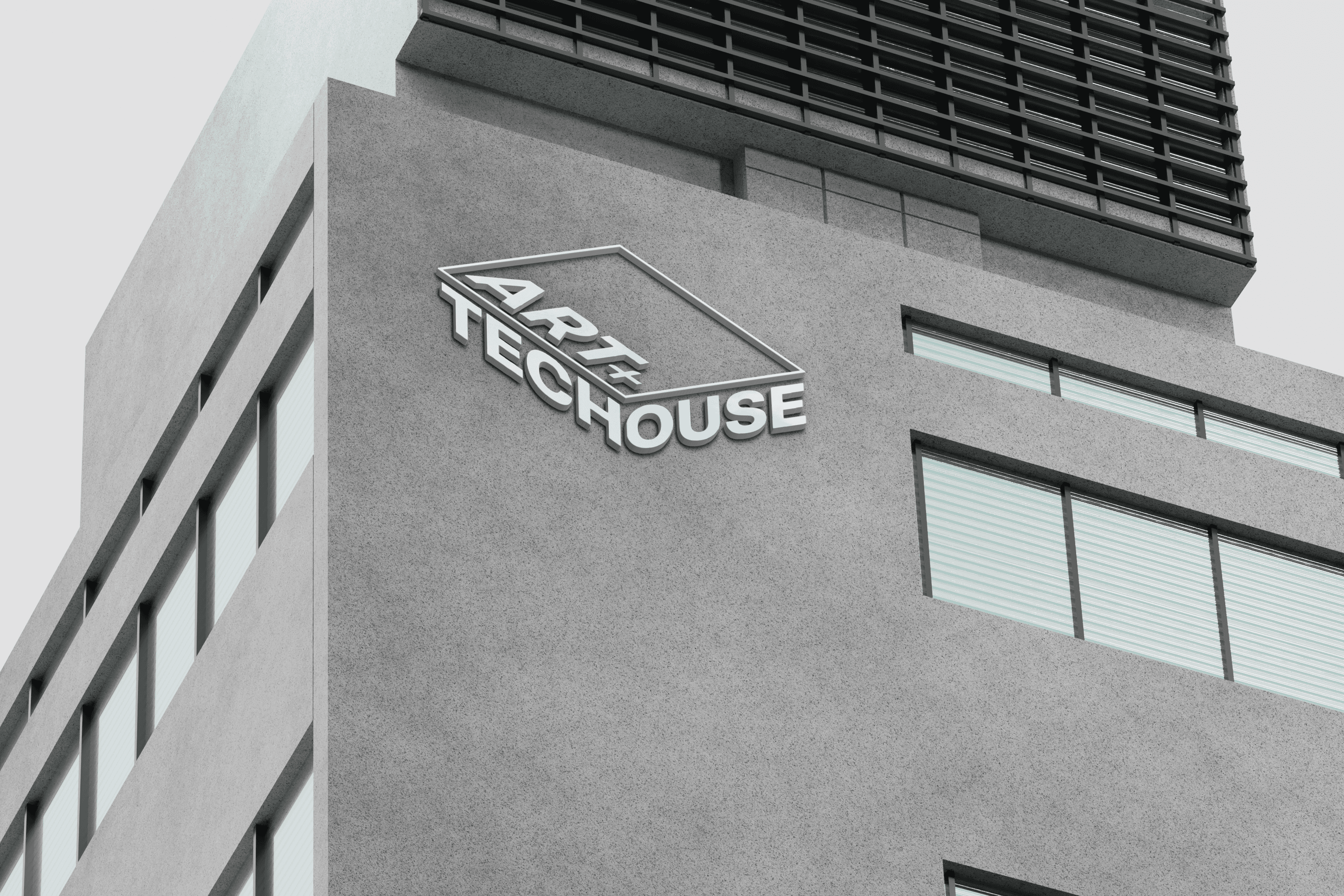
A dynamic, sensory-led identity system for ARTECHOUSE, built from motion, geometry, and custom symbols.

ARTECHOUSE

A dynamic, sensory-led identity system for ARTECHOUSE, built from motion, geometry, and custom symbols.

01 Overview

01 Overview

MY ROLE

Visual Identity Designer

MY ROLE

Visual Identity Designer

MY ROLE

Visual Identity Designer

MY TEAM

Jackie Gambino, Sunnie Yeung, and Tiffany Wang

MY TEAM

Jackie Gambino, Sunnie Yeung, and Tiffany Wang

MY TEAM

Jackie Gambino, Sunnie Yeung, and Tiffany Wang

DURATION

15 Weeks

DURATION

15 Weeks

TOOLS

Figma, Illustrator, and After Effects

TOOLS

Figma, Illustrator, and After Effects

PROBLEM

ARTECHOUSE's brand doesn't match the energy of its experiences. Its website feels generic, static, and traditional rather than adaptable and forward-thinking, and the brand lacks a sharp point of view to set it apart from competitors in immersive art.

PROBLEM

ARTECHOUSE's brand doesn't match the energy of its experiences. Its website feels generic, static, and traditional rather than adaptable and forward-thinking, and the brand lacks a sharp point of view to set it apart from competitors in immersive art.

SOLUTION

Modernize ARTECHOUSE's visual identity so it feels as forward-thinking as its installations. A dynamic branding system captures the studio's creativity, innovation, and sensory experiences, and sets it apart from competitors.

02 Brand Strategy

02 Brand Strategy

BRAND CORE VALUE

A dynamic visual system built on art, technology, and innovation, with shifting structural forms that adapt across categories and experiences.

BRAND CORE VALUE

A dynamic visual system built on art, technology, and innovation, with shifting structural forms that adapt across categories and experiences.

BRAND POSITIONING STATEMENT

Drawing on data and dimension, the identity tells ARTECHOUSE's story of history and innovation. Its geometric, spatial language represents the intersection of art and technology that ARTECHOUSE is known for.

03 Dynamic Branding System

03 Dynamic Branding System

Primary Logo
Primary Logo
Primary Logo
Logomark
Logomark
Logomark
Submark
Submark
Wordmark
Wordmark

DYNAMIC BRANDING

Each category (Exhibition, Events, and Studio) is defined by a geometric frame inspired by ARTECHOUSE's existing dimensional structure. The system stays cohesive while carrying human energy.

DYNAMIC BRANDING

Each category (Exhibition, Events, and Studio) is defined by a geometric frame inspired by ARTECHOUSE's existing dimensional structure. The system stays cohesive while carrying human energy.

SYMBOLS

Inspired by data and dimension, these custom symbols add to the immersive, dimensional experience at ARTECHOUSE.

SYMBOLS

Inspired by data and dimension, these custom symbols add to the immersive, dimensional experience at ARTECHOUSE.

SYMBOLS

Inspired by data and dimension, these custom symbols add to the immersive, dimensional experience at ARTECHOUSE.

04 Application

04 Application

05 Takeaway

05 Takeaway

WHAT I LEARNED

Motion is crucial to a brand's essence because it catches attention and brings an identity to life. The way a logo animates or an interface responds shows personality: a playful brand might bounce, while a trustworthy one moves with calm precision. Research before the design process is just as essential, since the more you understand a brand's mission, audience, and values, the more intentionally you can express its personality through motion and every other choice.

WHAT I LEARNED

Motion is crucial to a brand's essence because it catches attention and brings an identity to life. The way a logo animates or an interface responds shows personality: a playful brand might bounce, while a trustworthy one moves with calm precision. Research before the design process is just as essential, since the more you understand a brand's mission, audience, and values, the more intentionally you can express its personality through motion and every other choice.

LOOKING FORWARD

I'd call a redesign successful if it moves the goals it was meant to serve, so I'd set a baseline before launch and measure against it. Brand surveys and recognition tests would show how perception changes, while A/B tests on the website would show behavior, such as ticket sales, event inquiries, and memberships. I'd also test accessibility across real touchpoints and check whether the team can produce on-brand materials more easily. I'd give it six to twelve months, since brand trust builds slowly and a short-term dip is normal.